

Written by Parker Brown
There is a good chance your pet is not drinking enough water, and you would never know it.
It’s natural to assume that dogs and cats will drink whenever they’re thirsty, and most of the time that instinct serves them well. The full picture is a little more nuanced. Many pets experience mild, ongoing under-hydration that never triggers obvious warning signs, yet can place extra strain on some of the body’s most important systems.
Understanding the connection between daily hydration and healthy kidney function is one of the most impactful things you can do for your pet, and it starts with knowing what to look for.
Why So Many Dogs Are Under-Hydrated
The answer is often sitting right in their food bowl. Dry pet food typically contains only about 6–10% moisture, meaning dogs and cats eating kibble need to drink significantly more water to compensate (Houndsy, 2025).
Cats are especially interesting because they evolved to get much of their hydration from prey, which naturally contains high amounts of moisture. Even today, many cats are not naturally inclined to drink large amounts of water from a bowl, making hydration support an important part of their daily routine.
This matters because water plays a critical role in helping the body maintain normal kidney function, support healthy waste filtration, and keep everyday biological processes running smoothly. When pets consistently take in less water than they need, those systems simply have fewer resources to work with.
Why Healthy Kidney Function Depends on Hydration
Water is one of the kidneys’ most essential tools. Every day, the kidneys help filter waste, maintain healthy fluid balance, and support normal mineral concentrations throughout the body.
When a pet is consistently under-hydrated, the kidneys must perform those same daily functions with less water available. Over time, this can place additional strain on an organ system that works around the clock to support overall wellness.
That’s why maintaining healthy hydration habits can play such an important role in supporting normal kidney function throughout every stage of life.
How InClover’s Kidney Supplement Supports Daily Wellness
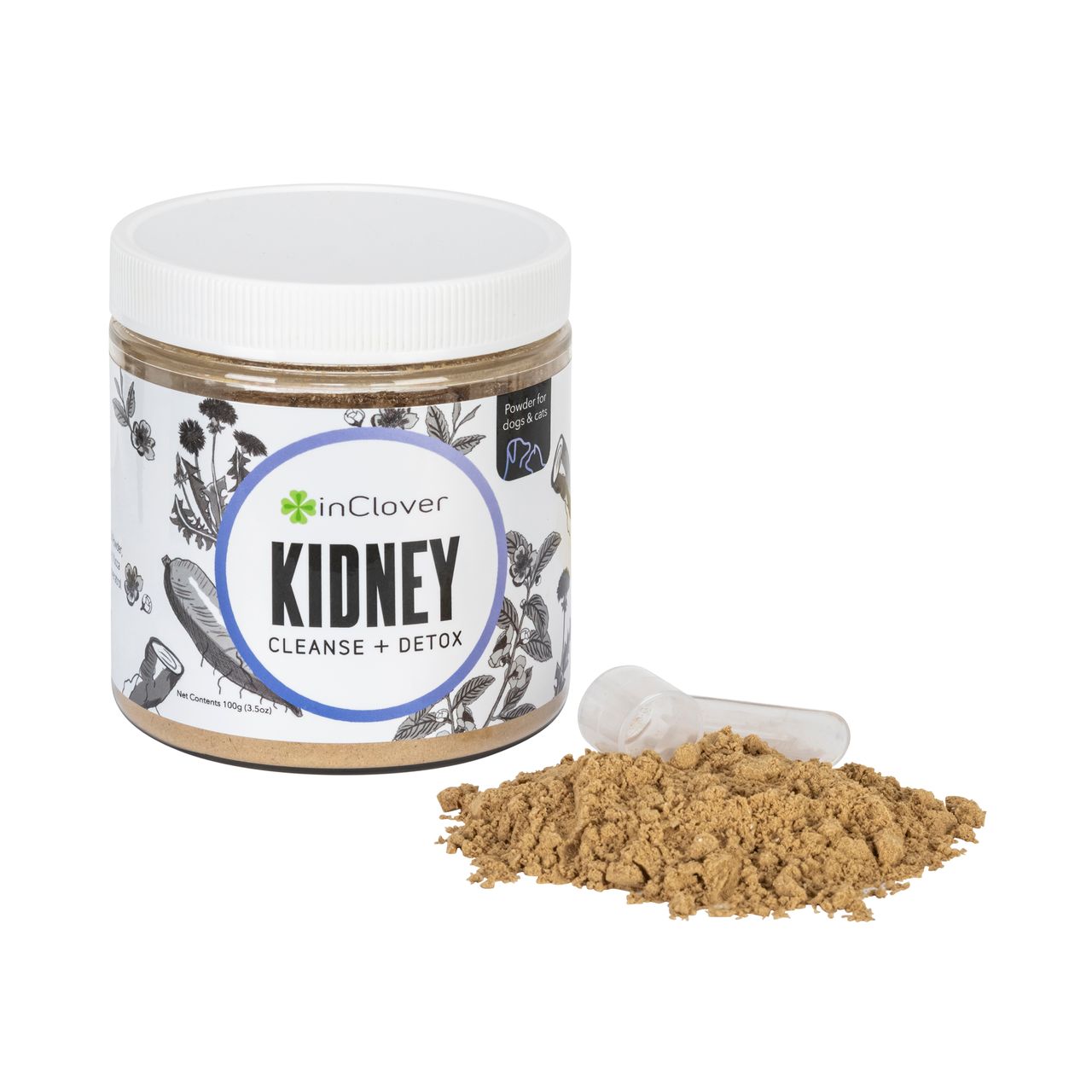
Supporting your pet’s kidneys does not have to be complicated. InClover’s Kidney supplement is formulated for daily use to support healthy bladder and kidney function in both dogs and cats, at any life stage.
Each ingredient is selected with a specific purpose in mind:
- D-Mannose helps support urinary tract health and normal urinary function.
- Resveratrol helps maintain healthy mineral balance while supporting normal kidney function.
- L-Carnitine supports cellular energy production and overall vitality.
- Dandelion Leaf and Ginger help support the body’s natural cleansing processes.
- Omega-3 Fatty Acids and Yucca support a healthy inflammatory response.
The formula is also rich in B vitamins and thoughtfully formulated with mineral levels designed to support healthy kidney function as part of a daily wellness routine.
Like all InClover supplements, Kidney contains 100% active ingredients with no unnecessary fillers.
How to Tell If Your Pet Is Quietly Dehydrated
Dehydration does not always look like a panting dog on a hot day. Mild, ongoing dehydration can be subtle, and many of its early signs are easy to attribute to something else entirely (Zoetis Petcare).
- Lethargy or decreased energy. A pet that is less eager to play, moves more slowly, or rests more than usual may not be getting enough fluids.
- Dry or sticky gums. Healthy gums should be moist and slick. Dry or tacky gums can be one of the earliest physical indicators of dehydration.
- Loss of skin elasticity. Gently pinch the skin at the back of your dog’s neck and release it. In a well-hydrated dog, it should spring back immediately. A slow return may indicate low fluid levels.
- Reduced appetite. Pets experiencing dehydration may show less interest in food, even treats they would normally enjoy.
- Changes in urination. Less frequent urination or darker urine may indicate the body is conserving fluids.
Because these signs can be subtle, it is helpful to pay attention to changes in your pet’s normal habits and hydration routine. If something seems unusual or persistent, your veterinarian can help determine the best next steps.
Practical Tips for Keeping Your Pet Hydrated
Alongside a daily supplement routine, there are simple ways to encourage better hydration (Best Friends Veterinary Hospital, 2025):
- Place multiple water bowls around your home. Pets are more likely to drink when fresh water is readily available.
- Consider a pet water fountain. Moving water is often more appealing and can encourage more frequent drinking.
- Add water or low-sodium broth to dry food. This is one of the easiest ways to increase moisture intake at every meal.
- Bring water on walks and outings. Active pets lose fluids through panting and exercise and benefit from regular hydration opportunities.
- Monitor seasonal changes. Pets may drink less during cooler months, even though their hydration needs remain important.
- Mix InClover Kidney with a small amount of water and add it to your pet’s meal. This is an easy way to support both hydration and daily kidney wellness at the same time.